


Pillow Chase Home App
4.4658.00 Reviews
App Specs
- Version
- 2.1
- Updated On
- License
- Free
- Downloads
- 10,000,000+
- Developer
- Hadiz Studio
- Categories
- Personalization
- Platform
- Android
Screenshots


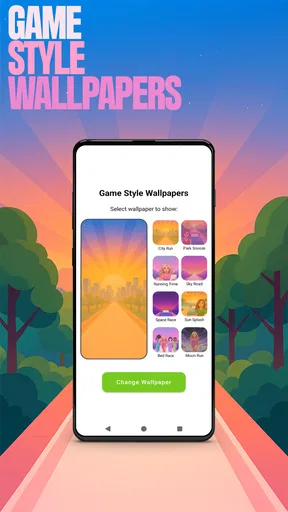
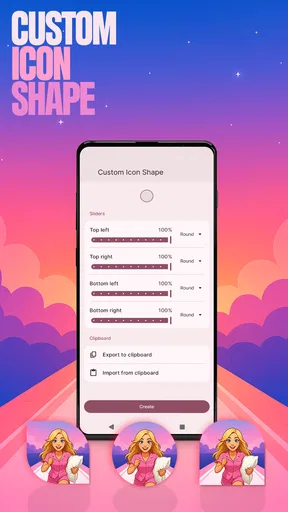

 Analysis by AppCompare
Ever found yourself wrapped up in the cozy world of interior design apps? Well, let me tell you about my recent dive into the Pillow Chase Home App. This app is like a digital playground for anyone looking to revamp their living space.
Getting Started with Pillow Chase
Downloading the app was a breeze. It’s a free personalization app from Hadiz Studio, and its current version is 1.4. The audience rating is Teen, so I’d keep that age context in mind when deciding whether it suits a shared household device. The app has an average rating of 4.6 from around 20,000 ratings, with over a million installs, which suggests it has found an audience without telling me whether it will fit every home’s needs.
Trying It Together in a Shared Home
The most useful way I can imagine approaching a home-design app on a shared device is to treat it as a conversation starter rather than a final authority. One person might be choosing a look for a living room while another wants to check whether the same idea feels right in the space. That kind of back-and-forth can make browsing more enjoyable, especially when household members have different tastes.
I would still keep expectations practical. A shared device does not automatically mean shared preferences, saved work, or separate personal spaces. Before anyone spends time arranging ideas, agree on who is using the device and whether the current session is for browsing, planning, or simply collecting inspiration. That small boundary can prevent someone else’s choices from being mistaken for a household decision.
Exploring Features
The app is packed with features that cater to both amateur decorators and seasoned pros. You can browse through a rich catalog of pillows, home accessories, and more. It's like having a mini IKEA right in your pocket!
One feature that really caught my eye was the augmented reality tool. It allows you to visualize items in your actual room. Just point your camera, and bam! You can see how that funky geometric pillow looks on your couch before you even buy it.
For a more useful check, I’d compare a few options in the same spot rather than judging an item from one quick camera view. Try the view from the main doorway, then from the seat where people actually spend time. A cushion can look striking close up but feel too busy across the room. The AR view is best treated as a visual aid, not a guarantee of exact color, scale, or how an item will look in every kind of light.
Worth Reading Before You Choose

Flipboard Shows What News Apps Must Do Beyond the Feed

Switching to Android Auto Means Rethinking Your Driving Routine

Google Calendar Makes a Crowded Week Easier to Manage

Ludo King Makes the Most of the Minutes Between Plans

Baby Panda World Brings Quick Play to Modern Phones, but Its Game Library Feels Busy

ESPN’s Live Game View Makes Following Close Games Easier
If several people are weighing in, take turns holding the device and keep the room and viewing angle consistent. Otherwise, one person’s choice may seem more appealing simply because they viewed it from a better position. This is a small workflow tip, but it makes comparisons fairer and helps turn a casual browse into a more grounded decision.
Making a Household Plan
A realistic use case is a weekend refresh: one person notices that the sofa feels a little plain, opens the app for ideas, and asks the rest of the household to react before changing anything. I’d use that moment to narrow the conversation to one room and one kind of change. Looking at pillows and accessories together can be more manageable than trying to decide on a whole-room makeover in one sitting.
It also helps to separate inspiration from commitment. A design that looks fun on a screen may not fit the room’s existing colors, cleaning needs, or everyday routines. If children or pets use the sofa, for example, the household may care more about whether a choice suits daily life than whether it makes the strongest visual impression. The app can help people picture an idea, but the people who live with it still need to decide whether it works.
For households sharing a phone or tablet, I’d avoid leaving a design session open as though everyone’s ideas belong to the same person. Keep a simple note of the options the group likes, or take turns discussing one choice at a time. This avoids relying on assumptions about account separation or saved projects and makes it easier to pick up the conversation later without confusing a temporary idea with a final selection.
User Experience
Navigating through the app is as smooth as butter. The designers clearly put a lot of thought into making the user experience intuitive. Whether you're searching for items, saving favorites, or checking out, everything flows seamlessly.
Plus, the community aspect is a nice touch. You can share your designs, get feedback, and even snag some inspiration from other users. It’s like having a bunch of design-savvy buddies right at your fingertips.
That social element is most useful when you want a second opinion beyond the people at home. I’d use feedback as inspiration rather than treating popular reactions as a verdict: a stranger may like a bold look that does not suit your room or household habits. If you prefer to make decor decisions privately, or you do not want to involve a community, that part may add little to your experience. You can focus on browsing and visual planning instead.
How It Compares with Other Decor Tools
Compared with a basic mood-board app, this experience puts more emphasis on seeing an idea in the room through augmented reality. A mood board can be better for collecting colors, fabrics, and references from many places, while an AR view can make a single item easier to picture in context. Neither approach replaces careful measuring or seeing how a material feels in person, so I would use them for different stages of a decision rather than expecting one tool to do everything.
Compared with browsing a retailer’s catalog, a home-focused app can make exploration feel more playful and less tied to a shopping list. That is useful when you are still deciding what direction you like. If you already know the exact item you need, or your priority is comparing practical details before buying, a retailer’s own information may be the more direct route. I would choose based on whether I’m seeking ideas or trying to complete a specific purchase.
Who Will Get the Most from It
I think this app is best for someone who enjoys experimenting with room details and wants a visual prompt before making a change. It can also suit housemates or family members who like talking through decor choices together, provided they take turns and agree on what counts as a real decision. The Teen content rating is worth noting for households where younger people share the device; adults should decide whether the app is appropriate for their situation rather than assuming the rating means it is designed as a children’s tool.
It is less suited to someone looking for a precise renovation planner, a measurement-led room layout tool, or a private household system with clearly separated users. I would also skip it if you want a straightforward answer about how a fabric will feel, how a color will appear in changing daylight, or whether an item will fit a particular space. A screen-based preview cannot settle those questions on its own.
Age, Trust, and Shared-Device Boundaries
Because the app carries a Teen rating, I’d treat it as an age-context signal when deciding who can browse on a family device. That does not replace a parent or guardian’s judgment. If a young person is exploring ideas, a useful approach is to agree on whether they are browsing for inspiration or making a suggestion that needs adult approval before anyone acts on it.
I would also make the device boundary explicit: who is allowed to use it, whether other people can see the screen, and how the household will keep track of ideas it wants to revisit. These are practical habits, not special controls I’d assume the app provides. They matter most when the device is used by several people and when someone’s personal taste should not automatically become a shared purchase decision.
Hadiz Studio’s app is free, which makes it easy to try without setting aside a purchase budget for the app itself. Still, “free” does not answer every household question about how a particular session should be used or what decisions should follow from it. I’d keep the same common sense I use with any shared browsing tool: discuss choices openly and do not let a quick visual preview stand in for agreement.
Final Thoughts
Wrapping it up, the Pillow Chase Home App is a must-have for anyone obsessed with home decor. It’s user-friendly, packed with features, and the AR capability is just the cherry on top. Whether you're planning a complete makeover or just looking for a little tweak, this app is your go-to tool.
Give it a try, and you might just find yourself lost in the delightful world of pillows and more!
My more measured recommendation is to use it as a source of ideas and a way to talk through small changes, not as a substitute for checking a room in person or coordinating with everyone who shares it. If you enjoy playful decor browsing and visualizing possibilities, it may be a pleasant fit. If you need exact planning, strong privacy boundaries, or a practical buying comparison first, another kind of tool may serve you better.
Pros
- User-friendly interface for easy navigation.
- Offers a wide variety of pillow designs.
- Customizable settings for personal needs.
- Integrates seamlessly with smart home devices.
- Regular updates with new features.
Cons
- Limited free features; premium required.
- Occasional glitches in the AR preview.
- High-quality images may load slowly.
- Requires stable internet for functionality.
- Limited language options available.
FAQs for Pillow Chase Home App
What is the primary purpose of the Pillow Chase Home App?
The Pillow Chase Home App is designed to provide users with a seamless and immersive experience in managing and organizing their home spaces. It offers features such as virtual room design, furniture placement, and style recommendations to help users envision and create their ideal living environment.
Is the Pillow Chase Home App free to use?
The Pillow Chase Home App offers a free version with basic features for users to explore. However, to access premium tools and design templates, users may need to subscribe to a monthly or yearly plan. This subscription unlocks additional functionalities, enhancing the overall user experience.
What platforms is the Pillow Chase Home App available on?
The Pillow Chase Home App is available for both Android and iOS platforms. This ensures that a wide range of users can access its features regardless of their preferred mobile operating system. Users can download it from the Google Play Store or the Apple App Store.
Does the Pillow Chase Home App require an internet connection to function?
While the Pillow Chase Home App can perform basic functions offline, an internet connection is required to access certain features such as downloading new templates, syncing projects across devices, and receiving real-time design advice. For the best experience, a stable internet connection is recommended.
How user-friendly is the Pillow Chase Home App for beginners?
The Pillow Chase Home App is designed with an intuitive interface, making it accessible for users of all skill levels. Beginners can easily navigate through its features thanks to guided tutorials and a comprehensive help section. This ensures a smooth onboarding experience for first-time users.


